

Tibor Stigter
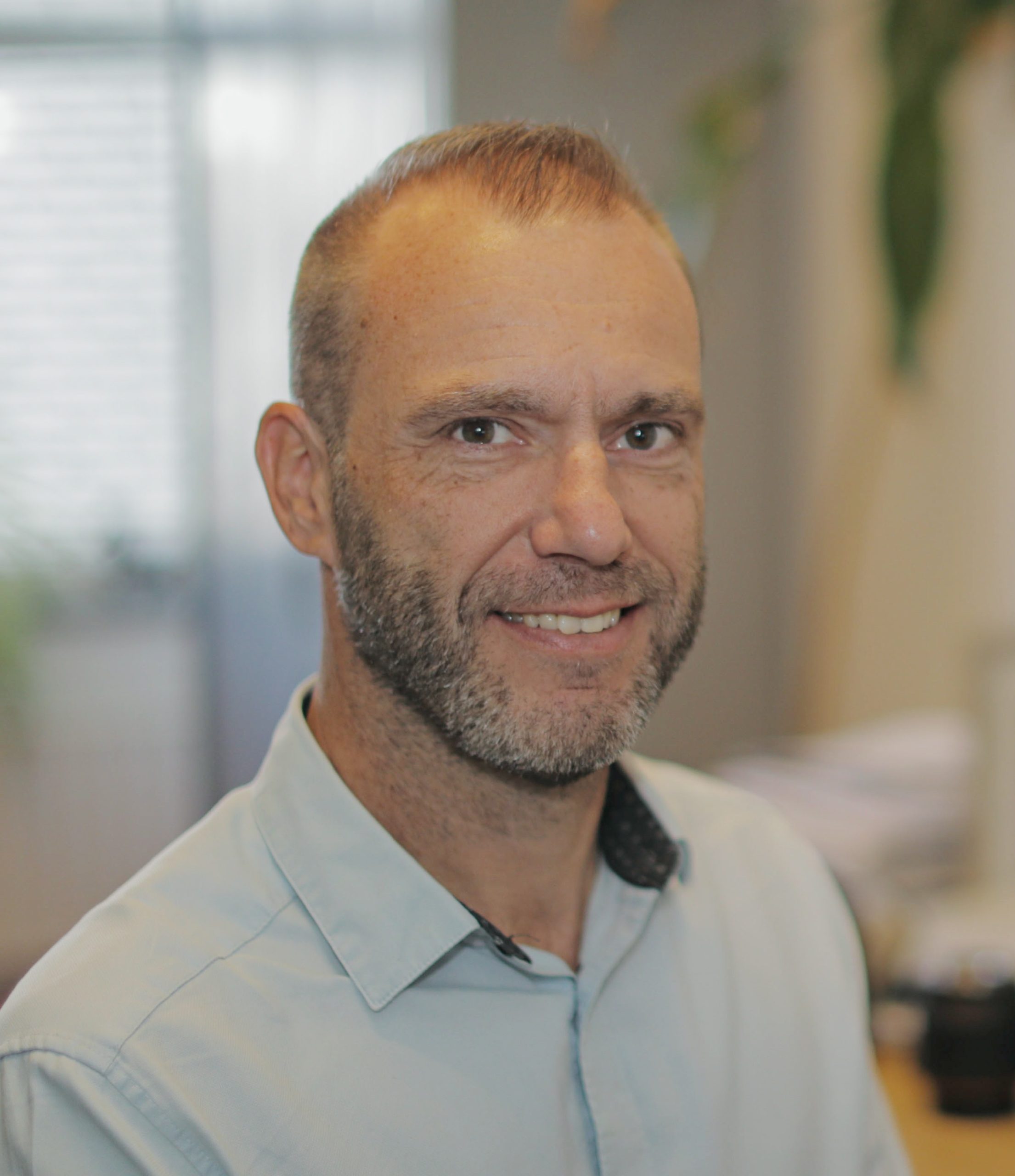 Tibor Stigter is Associated Professor of Hydrogeology and Groundwater Resources at IHE Delft Institute for Water Education, under the auspices of UNESCO as a Category 2 centre. He has around 20 years of experience in postgraduate education, research and capacity building in his main areas of expertise: i) groundwater resources assessment and development in adaptation to climate and global change, and ii) use of hydrogeochemical and geophysical tools to assess groundwater-surface water-wetland interactions, and impacts from contamination and salinization. His main research for development projects are currently in the field of sand rivers, coastal aquifers and natural water tower systems in several countries of Africa. Furthermore, he is the initiator and coordinator of the EU Erasmus+ Mundus Joint Master Programme in Groundwater and Global Change – Impacts and Adaptation (www.groundwatermaster.eu).
ⓘ Google Scholar
ⓘ LinkedIn
ⓘ ResearchGate
Saulo Vieira
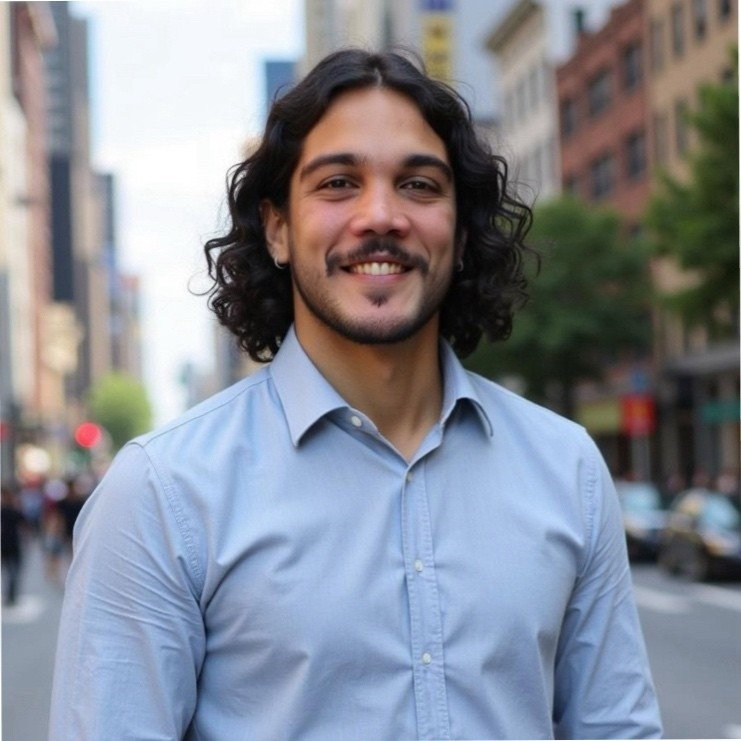
Saulo Vieira works as a Platform Developer and Integration Specialist at DHI HQ in Denmark, bringing five years of combined experience in consultancy and software development focused on groundwater flow, subsurface energy systems, contaminant transport, sustainability. Saulo is passionate about integrating hydro(geo)logical modeling, software engineering, and data visualization. He has worked on major water‑infrastructure projects, including train stations, electric‑grid installations, managed aquifer recharge systems, water‑supply designs, and flood‑prevention strategies.
Attila Kovács
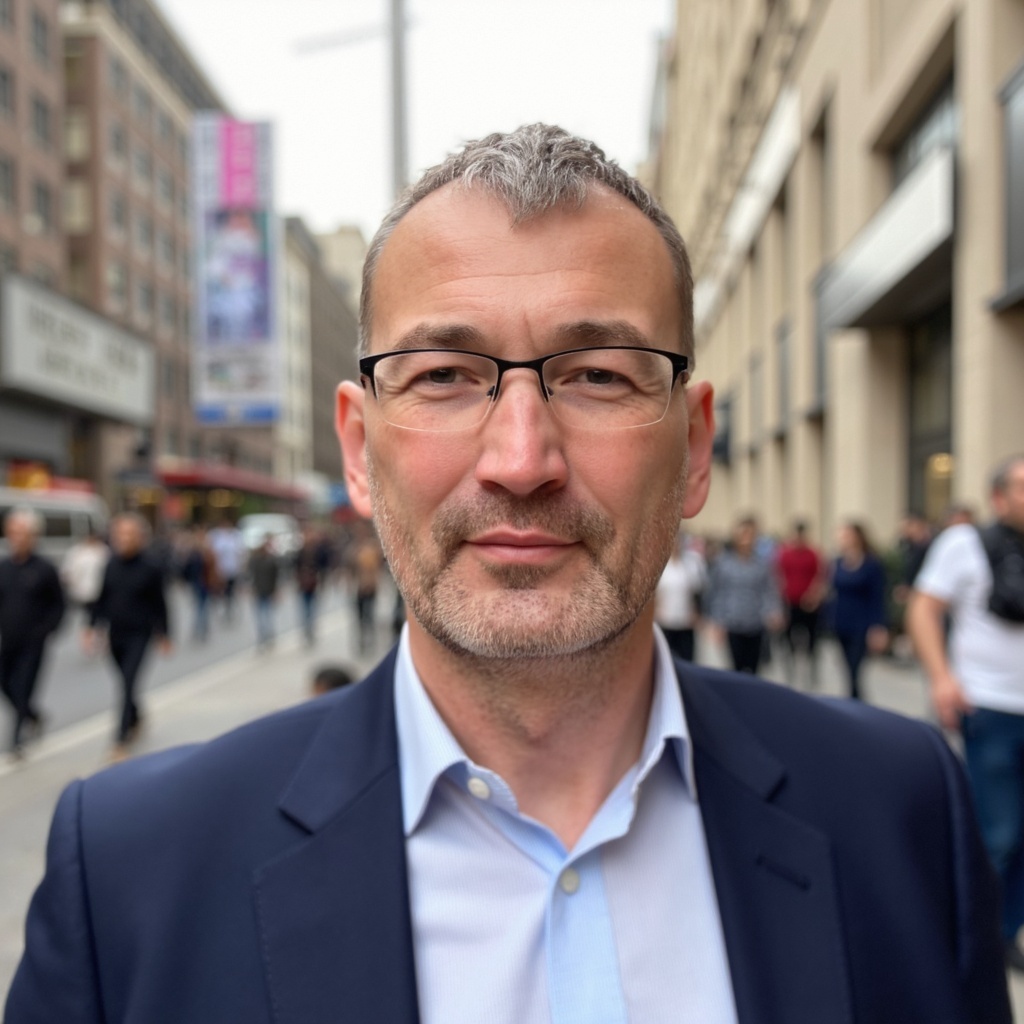
Dr. Attila Kovács is a hydrogeologist with more than twenty-seven years of combined academic and consulting experience. His scientific contributions introduced novel hydrograph-analytical methods that are now widely used to quantify the hydraulic behavior and internal geometry of karst systems. Building on this foundation, his recent research focuses on predicting climate-driven changes in groundwater levels, spring discharge, and aquifer resilience. He has developed combined stochastic–analytical modeling frameworks for assessing climate impacts on karst springs and has contributed to national-scale evaluations of groundwater sensitivity to climate change. Dr. Kovács has authored more than one hundred international scientific publications and serves as a guest editor for several special issues on climate impacts and adaptation in water resources. Through his research, editorial leadership, and international collaborations, he shapes the current understanding of groundwater–climate interactions and develops modeling tools that support climate-resilient groundwater management.
Manuela Lasagna
Manuela Lasagna is an Associate Professor of Hydrogeology at the Department of Earth Sciences, University of Turin (Italy). Her research focuses on the characterization, quantification, and monitoring of groundwater at local and regional scales, with a strong emphasis on porous media, the impacts of climate change on groundwater resources, particularly regarding long-term availability and resilience, and knowledge transfer and dissemination. She is the Scientific Coordinator of the Hydrogeology Research Group and heads HYDROGEOLAB, the Laboratory of Hydrogeological Characterization. She has authored
more than 90 peer-reviewed scientific papers and serves on the editorial boards of several international journals.
Umut Taha Çapanoğlu
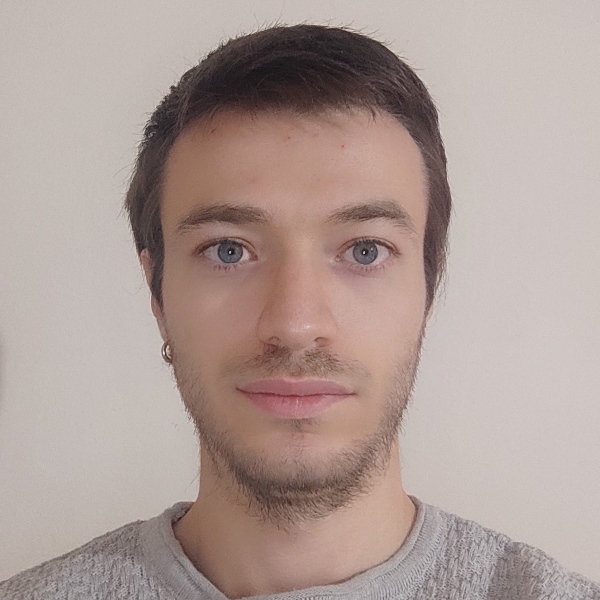
Umut Taha Çapanoğlu completed his undergraduate studies in Hydrogeological Engineering at Hacettepe University and his master’s degree in Hydrogeology at the University of Birmingham. He then began working in the public institution in Türkiye as a Senior Hydrogeological Engineer. His work focuses primarily on hydrogeochemistry, hydrogeological and geological surveys, and geothermal energy. Currently, he is involved in Türkiye’s first hot and mineral water atlas project and the hydrogeochemistry atlas project. He also works within the Data Processing Unit, established with ministerial approval, compiling, collecting, and digitizing all data of country. In his personal life, he raises awareness among the public by giving presentations and broadcasts on global warming, groundwater, water quality, and pollution on social media platforms (Twitch, YouTube) and at social events..
Phebe Inioluwa Olabode
 Phebe Olabode is a doctoral researcher in hydrogeophysics and environmental science, with strong experience in long-term monitoring, groundwater chemistry, and time series analysis. Her research focuses on groundwater systems at terrestrial–aquatic interfaces and the impacts of climate change on these systems. She integrates geophysical methods with hydrological and biogeochemical observations to improve understanding of groundwater dynamics and hydraulic properties, which are critical for modeling and predicting TAI responses under changing environmental and climatic conditions.
ⓘ Google Scholar
ⓘ LinkedIn
ⓘ ResearchGate